Cozy Korean Soups and Stews: Perfect for Cold Weather
Highlighted under: Everyday Comfort Meals
Warm up with these delightful Korean soups and stews, perfect for chilly days. Explore the rich flavors and comforting textures that make them a favorite during cold weather.
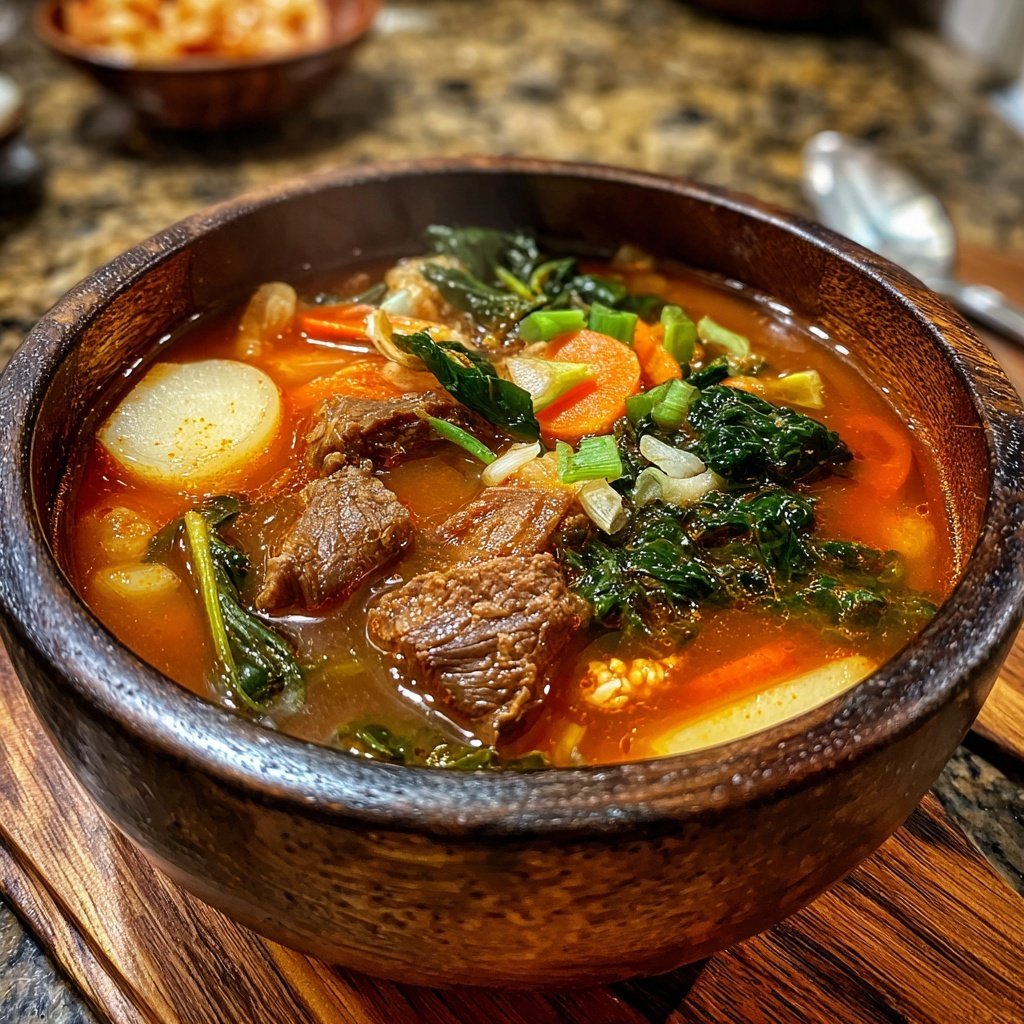
Experience the heartwarming comfort of Korean cuisine with these delightful soups and stews. Each recipe is designed to warm your soul and tantalize your taste buds, making them ideal for cozy nights in.
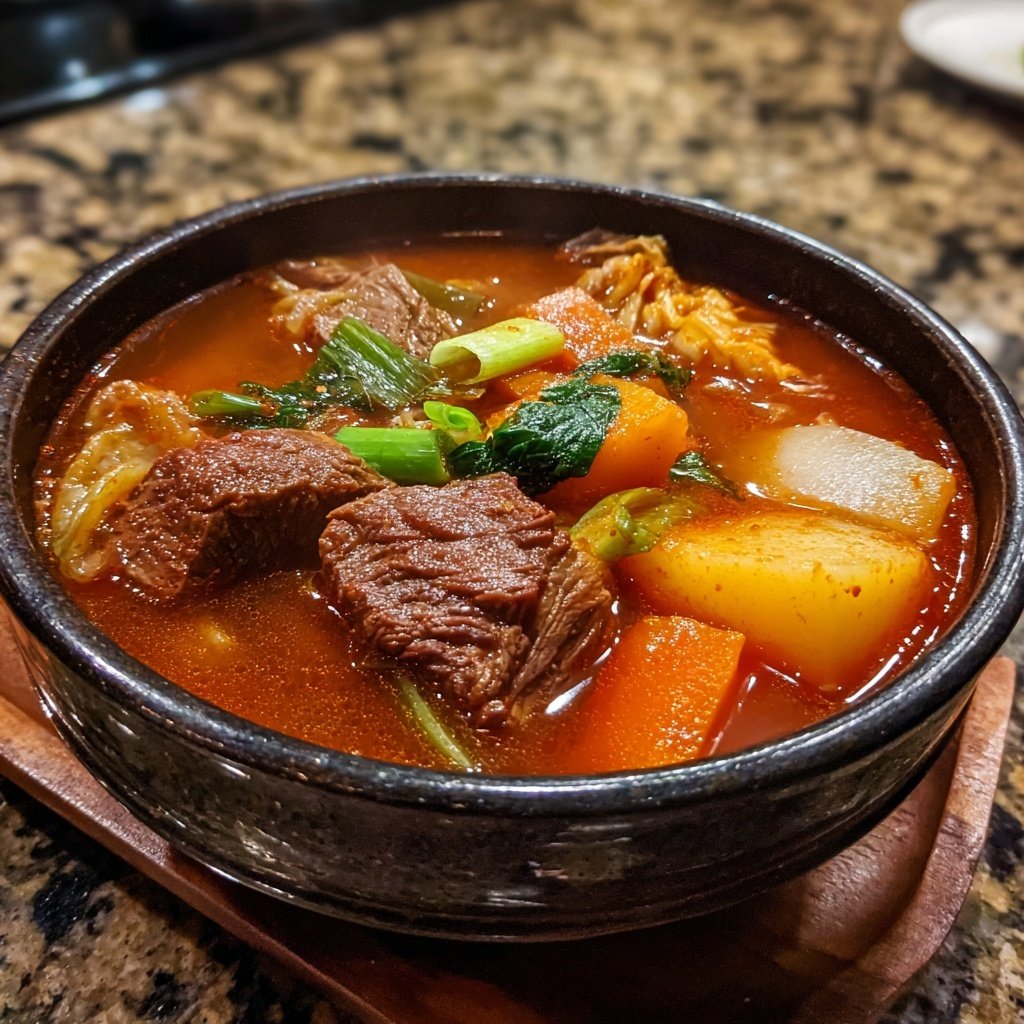
Why You'll Love This Recipe
- Rich and aromatic flavors that envelop you in comfort
- Hearty ingredients that nourish and satisfy
- Versatile recipes that can be customized to your taste
The Comfort of Korean Cuisine
Korean cuisine is renowned for its bold flavors and comforting textures, making it a perfect choice for chilly days. The essence of these soups and stews lies in their rich broth, often simmered for hours to develop deep, satisfying flavors. Each dish tells a story of tradition and warmth, inviting you to experience the heart of Korean cooking right at home.
The use of fresh ingredients is a hallmark of Korean dishes. From vibrant vegetables to high-quality meats, every component contributes to the overall flavor profile. Soups and stews are particularly forgiving, allowing you to adapt the ingredients based on what you have on hand, making them versatile and accessible for all home cooks.
Benefits of Cooking at Home
Preparing Korean soups and stews at home not only allows you to savor authentic flavors but also comes with numerous health benefits. Home-cooked meals are typically more nutritious than takeout options, as you have full control over the ingredients. This means you can choose organic produce, reduce sodium levels, and avoid preservatives, creating a wholesome meal for you and your family.
Additionally, cooking at home provides an opportunity to bond with loved ones. Whether you’re gathering around the stove or sharing a meal at the table, the act of cooking together cultivates connections and creates lasting memories. The warmth of homemade Korean dishes can transform a simple meal into a cherished family tradition.
Exploring Variations
Korean soups and stews offer countless variations to suit individual tastes and dietary preferences. For instance, if you prefer a vegetarian option, you can easily swap the meat in your recipes for hearty vegetables or protein-rich tofu. Likewise, adjusting the spice levels allows you to cater to different palates, making these dishes enjoyable for everyone.
Experimenting with additional ingredients like mushrooms, zucchini, or different types of meat can yield delightful results. Each time you prepare these dishes, you can create something new and exciting, exploring the vast world of Korean flavors while customizing your meal to perfection.
Ingredients
Korean Beef Stew Ingredients
- 500g beef chuck, cut into cubes
- 2 tablespoons vegetable oil
- 1 onion, sliced
- 3 cloves garlic, minced
- 2 carrots, sliced
- 2 potatoes, cubed
- 1 tablespoon soy sauce
- 1 tablespoon gochugaru (Korean red pepper flakes)
- 4 cups beef broth
- Salt and pepper to taste
Kimchi Jjigae Ingredients
- 200g kimchi, chopped
- 300g pork belly, sliced
- 1 tablespoon gochujang (Korean red pepper paste)
- 1 onion, sliced
- 2 green onions, chopped
- 3 cups water
- Tofu, cubed (optional)
- Salt to taste
Use fresh ingredients for the best flavor and texture.
Instructions
Prepare the Beef Stew
- Heat oil in a large pot over medium heat. Add sliced onions and minced garlic, sauté until fragrant.
- Add the beef cubes and cook until browned on all sides.
- Add carrots, potatoes, soy sauce, gochugaru, and beef broth. Bring to a boil.
- Reduce heat and simmer for 30 minutes or until beef is tender. Season with salt and pepper.
Make the Kimchi Jjigae
- In a pot, cook pork belly until browned. Add onions and kimchi, stir-fry for a few minutes.
- Add gochujang and water, bring to a boil.
- Add tofu if using, and simmer for about 20 minutes. Season with salt and garnish with green onions before serving.
Serve hot with steamed rice for a complete meal.
Pro Tips
- For a richer flavor, let the beef stew sit for a few hours or overnight. Reheat before serving.
Pairing Suggestions
To truly enjoy your cozy Korean soups and stews, consider pairing them with traditional accompaniments like steamed rice or a side of kimchi. The rice acts as a neutral base that balances the rich flavors of the soup, while kimchi adds a tangy and spicy kick that enhances the overall meal. You can also serve pickled vegetables for a refreshing contrast to the hearty dishes.
For a complete experience, a warm, aromatic tea such as barley tea or green tea can be a perfect beverage choice. Not only does it complement the flavors, but it also aids digestion, making your meal even more satisfying.
Storage Tips
Leftover Korean soups and stews can be stored in an airtight container in the refrigerator for up to three days. To reheat, simply warm them gently on the stove or in the microwave until heated through. This makes them ideal for meal prep, as you can enjoy comforting meals throughout the week without spending extra time cooking each day.
If you want to extend their shelf life, you can freeze portions of your soups and stews. Allow them to cool completely before transferring to freezer-safe containers. They can be stored for up to three months. When you're ready to enjoy, thaw them in the refrigerator overnight and reheat as needed for a quick, cozy meal.
Cultural Significance
Korean soups and stews hold a special place in the hearts of many Koreans, often associated with family gatherings and celebrations. These dishes symbolize warmth, comfort, and togetherness, making them a staple during holidays and special occasions. The act of sharing a pot of stew with loved ones fosters a sense of community and belonging, which is an essential aspect of Korean culture.
Moreover, many of these recipes have been passed down through generations, preserving the culinary heritage of Korea. By making these dishes at home, you not only enjoy delicious meals but also connect with the rich history and traditions that define Korean cuisine.
Questions About Recipes
→ Can I use chicken instead of beef?
Yes, you can substitute chicken for beef in the stew for a lighter option.
→ Is kimchi jjigae spicy?
It can be spicy, depending on the amount of gochujang and kimchi used. Adjust to your taste.
→ Can I make these recipes vegetarian?
Absolutely! Substitute tofu and vegetable broth in place of meat for a vegetarian version.
→ How long can leftovers be stored?
Leftovers can be stored in the refrigerator for up to 3 days. Reheat thoroughly before serving.
Cozy Korean Soups and Stews: Perfect for Cold Weather
Created by: Summer Blake
Recipe Type: Everyday Comfort Meals
Skill Level: Intermediate
Final Quantity: 4 servings
What You'll Need
Korean Beef Stew Ingredients
- 500g beef chuck, cut into cubes
- 2 tablespoons vegetable oil
- 1 onion, sliced
- 3 cloves garlic, minced
- 2 carrots, sliced
- 2 potatoes, cubed
- 1 tablespoon soy sauce
- 1 tablespoon gochugaru (Korean red pepper flakes)
- 4 cups beef broth
- Salt and pepper to taste
Kimchi Jjigae Ingredients
- 200g kimchi, chopped
- 300g pork belly, sliced
- 1 tablespoon gochujang (Korean red pepper paste)
- 1 onion, sliced
- 2 green onions, chopped
- 3 cups water
- Tofu, cubed (optional)
- Salt to taste
How-To Steps
- Heat oil in a large pot over medium heat. Add sliced onions and minced garlic, sauté until fragrant.
- Add the beef cubes and cook until browned on all sides.
- Add carrots, potatoes, soy sauce, gochugaru, and beef broth. Bring to a boil.
- Reduce heat and simmer for 30 minutes or until beef is tender. Season with salt and pepper.
- In a pot, cook pork belly until browned. Add onions and kimchi, stir-fry for a few minutes.
- Add gochujang and water, bring to a boil.
- Add tofu if using, and simmer for about 20 minutes. Season with salt and garnish with green onions before serving.
Extra Tips
- For a richer flavor, let the beef stew sit for a few hours or overnight. Reheat before serving.
Nutritional Breakdown (Per Serving)
- Calories: 420 kcal
- Total Fat: 22g
- Saturated Fat: 10g
- Cholesterol: 70mg
- Sodium: 800mg
- Total Carbohydrates: 32g
- Dietary Fiber: 5g
- Sugars: 6g
- Protein: 24g